Copyright
The compilation of these texts, databases and images are copyrighted by Queens County Heritage unless otherwise noted. All texts presented here are in the public domain or are copyrighted by Queens County Heritage, or have had permissions granted to make them accessible electronically. Queens County Heritage has made every attempt to clear copyright where clearance is not expressly stated and we ask that people contact us immediately with any concerns or noted omissions.
Texts and images are available for research purposes only and permission is required for re-use of all content, including databases and images. Links may be made to our site but under no conditions are the texts and images to be copied and mounted onto another site server.
Commercial use of all material is prohibited without written agreement from Queens County Heritage.
© Queens County Heritage, 2014. All Rights Reserved.
Please address all permission requests to:
For the Birds
Queens County Heritage
69 Front Street
Gagetown, New Brunswick
E5M 1A4
Telephone: (506) 488-2483
E-mail: info@queenscountyheritage.com
Fields and Forests
An abundance of agricultural and woodlands lie within the boundaries of Queens County. There is also land intermediate between these two - previously farmed land which is now reverting to forest. Further, the Gagetown military base, which makes up about 20 % of the county has a multitude of upland habitat types. Here, some of the previously cleared farm land has already returned to forest and in other locations forest lands have been converted to grass and shrub lands for military purposes. The human hand continues to play a role both in the creation and in the demise of wildlife habitats.
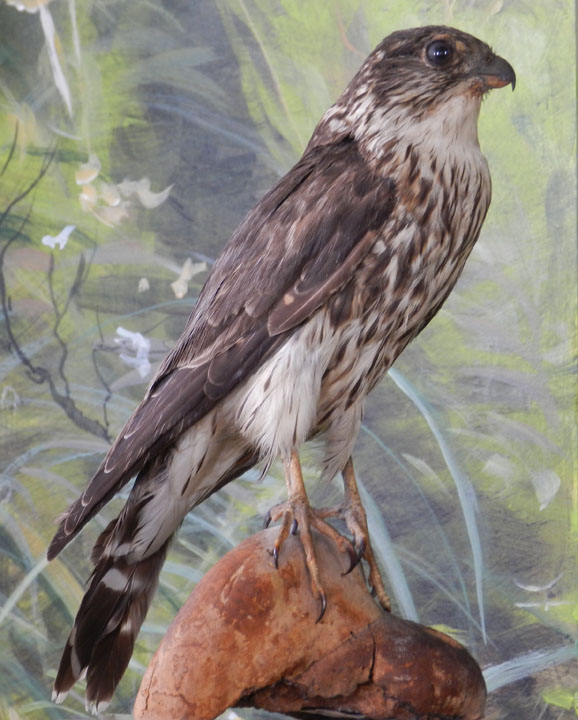
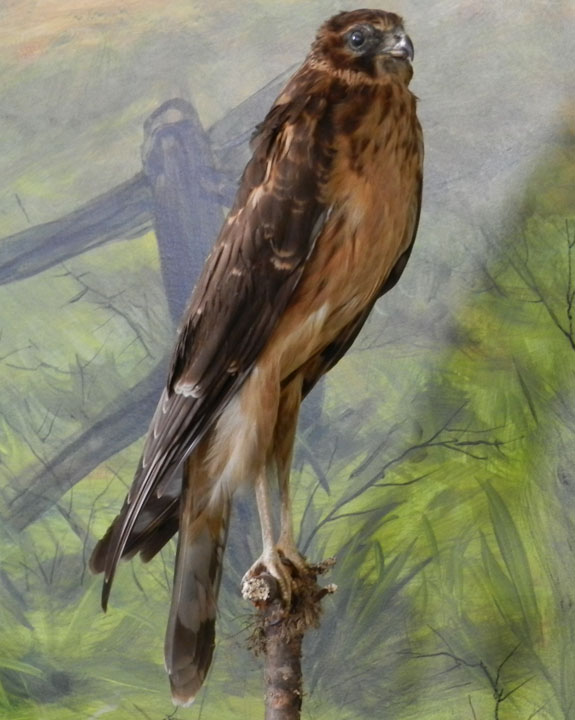
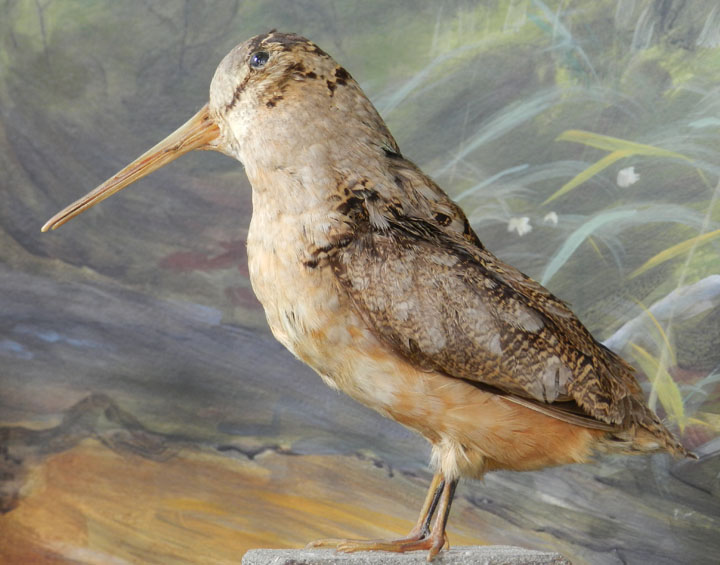
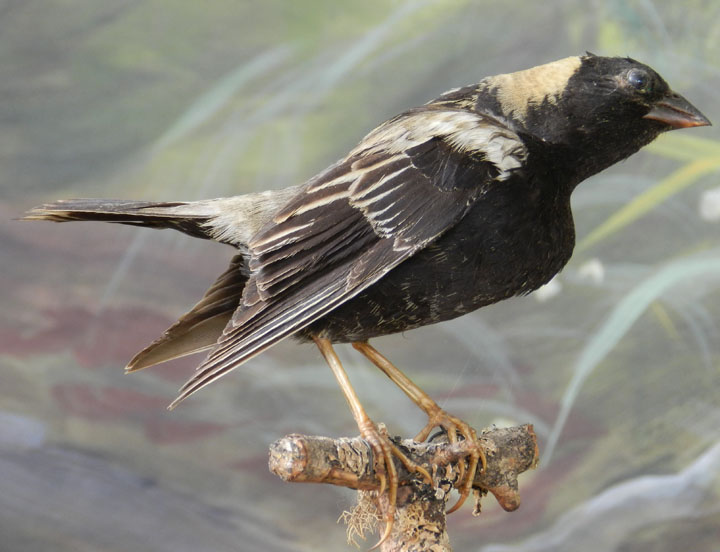
Pasture and hay land provide habitat for an assortment of birds, large and small. Northern harrier and American kestrel use open fields to hunt for food, primarily small mammals. Canada geese graze in grass lands and some waterfowl nest here as do bobolink, savannah sparrow and to a lesser extent song sparrow. Fields that have grown up with shrubs are habitat for a variety of insect eating species like common yellowthroat, alder flycatcher and yellow warbler and, if there are wet areas, perhaps American Woodcock.
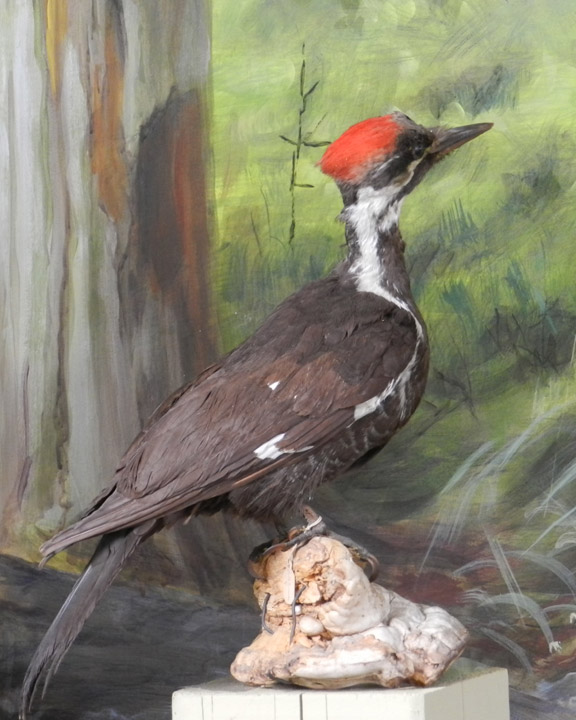
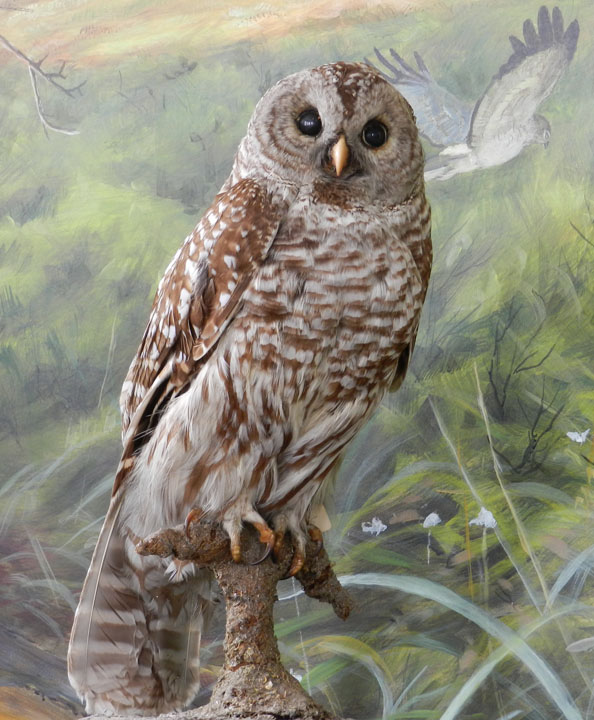
Forests can be either deciduous or coniferous, a mixture of the two, and have trees of different species, ages and heights. Each of these forest types has a distinctive birdlife associated with it. Some bird species such as barred owl and pileated woodpecker nest only where there are older trees because they require a large cavity in which to nest. Hairy and downy woodpeckers, white breasted nuthatch and black-capped chickadee are also cavity nesters but don't require large trees. Most warblers and thrushes use forest lands and have preferences in terms of tree species composition and age. For instance, the magnolia warbler prefers to nest in regenerating conifer forest while the ovenbird nests on the ground and is found mainly in open deciduous and mixed wood forest.
If we are to have an abundance of birdlife in Queens County it is essential to maintain a good variety and mix of forest types and agricultural lands. The richness and diversity of wildlife in our county is one of the factors that attracts the seasonal visitor and long term resident. The Stewart Mcleod Park in Chipman and the Robinson Trail and the Pines Conservation Forest in Cambridge-Narrows are but a few of the areas now serving to protect habitat for our many bird species. Conservancy organizations also play a part. Indeed, we all have a role to play.